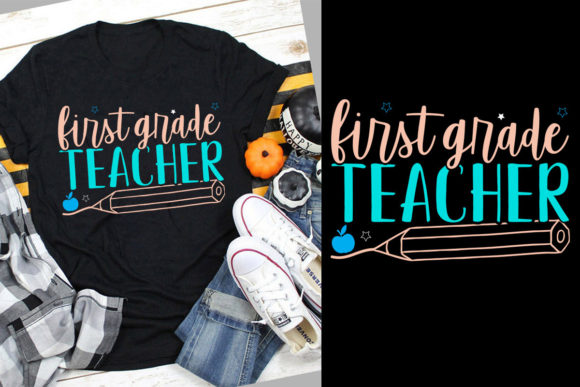
First Grade Teacher Back to School
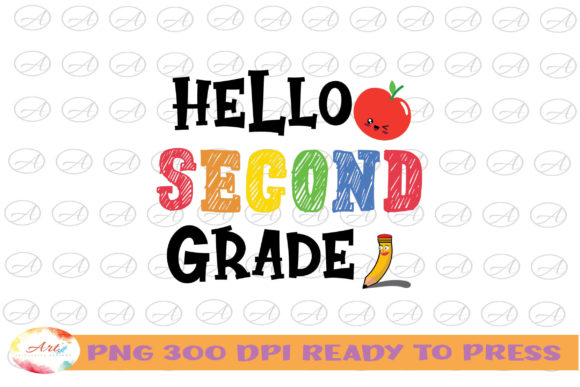
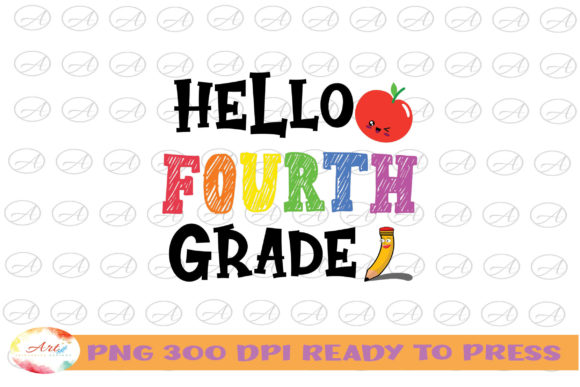
First Grade Teacher Back to School isn’t just a phrase—it’s a whole category of design assets built around celebrating the transition from summer to classroom life. For anyone wearing or creating apparel, this theme often revolves around playful typography, school symbols (apples, pencils, books), and warm colors that say “I’m proud to teach first grade.” The vector files that come with these designs let you resize, recolor, and remix them without losing quality, so they work just as well on a t-shirt as they do on a sticker or a mug.
Different people look at this topic from different angles. A first grade teacher might see a design that perfectly expresses their personality and classroom pride. A print-on-demand seller sees a product that can sell year after year. A graphic designer sees a set of scalable, editable shapes that save hours of drawing from scratch. And a hobbyist crafter sees a fun weekend project for creating matching gear for a grade-level team. The same collection of vector art serves all these goals—but the priorities shift depending on who you are.
What Makes a First Grade Teacher Back to School Design Work
At its core, a First Grade Teacher Back to School t-shirt design is a combination of text (usually a clever phrase like “First Grade Teacher” or “I Teach First Grade”) and supporting illustrations (such as stacked books, a chalkboard, or a smiling crayon). The best designs balance readability with personality. Since the audience is often other teachers, school staff, and parents, the tone tends to be upbeat, inclusive, and slightly nostalgic.
The vector format is key. Because the files come as EPS, AI, SVG, and PNG, you can open them in almost any design software (Illustrator, Inkscape, Cricut Design Space, Silhouette Studio) and tweak the colors, remove elements, or adjust the layout. The included 100% vector files keep edges crisp at any size—critical for screen printing, DTF transfers, or even large posters. The RGB color mode is great for digital previews, but you can easily convert to CMYK when sending to a professional printer.
Audience Perspectives: Who Cares and Why
Let’s break this down by real-world roles, because a one-size-fits-all explanation misses why these designs matter differently to different people.
For the First Grade Teacher (the end consumer)
You walk into your classroom in August, bulletin boards still blank, boxes everywhere. A shirt that says “First Grade Teacher” with a cute apple graphic helps you feel ready. It’s a conversation starter with colleagues and students. But more than that, it signals your specialty—first grade is a big deal, the year kids learn to read. You care about quality and durability. Will the vinyl crack? Will the print fade after ten washes? You also care about comfort—soft fabric that doesn’t itch all day. When you shop, you look for a design that feels authentic, not too cartoony or too generic. You might prefer a tear-away tag shirt or a unisex fit. The vector source matters because some sellers let you customize the color to match your school’s spirit colors—a huge plus for team spirit.
Example: Sarah, a first-year first grade teacher, wants a shirt that shows her passion without being childish. She chooses a design with the words “First Grade Teacher” in a bold sans-serif font, paired with a simple apple silhouette. She selects a light gray shirt and asks the seller if she can have the apple in her school’s teal and gold. Because the design file is vector-based, the seller just opens it in Illustrator and changes the apple fill color in two clicks. Sarah gets a custom shirt that feels uniquely hers.
For the Print-on-Demand Seller or Small Business Owner
You run a shop on Etsy, Amazon Merch, or your own site. You need designs that appeal to a specific niche but also offer flexibility for different products. First Grade Teacher Back to School is a niche with consistent demand every August and September. You care about commercial value—can you legally use these vector files on products you sell? Many designers offer commercial licenses with the purchase. You also care about speed of production. A well-organized vector file with separate layers for text and illustration lets you swap colors for different mockups quickly. You might list the same design on t-shirts, tote bags, pillows, and mugs. The inclusion of SVG cutting files means you can even offer print-then-cut iron-on decals for crafters.
Example: Mark runs a small print shop. He buys a bundle of First Grade Teacher vector designs. He uses the AI file to create ten color variations—neon, pastel, muted—and uploads them to his store. For one order, a customer wants a shirt for a whole first grade team: “First Grade Team 2024-2025” in the same style. Mark opens the vector, duplicates and adjusts the text layer, and produces a batch of six shirts. The vector format saves hours.
For the Graphic Designer or Creator
You might not be the teacher or the seller. You are the person who creates these design sets. You focus on creativity, originality, and usability. Your goal is to produce vector files that are easy to edit, include all the right layers, and look great on mockups. You care about file organization: clear naming, grouped elements, spot colors if needed. You also need to ensure the design is scalable—icons tight enough to work on a 3-inch sticker but still readable on a 20-inch back print. For a First Grade Teacher theme, you might research popular phrases on social media or Pinterest, then create coordinated sets: “I Teach First Grade, What’s Your Superpower?”, “First Grade Squad”, “First Grade Is the Best Grade.” You include PNG previews for easy listing in marketplaces.
Example: Emma is a graphic designer who sells vector bundles on Creative Market. For her “Back to School First Grade” pack, she includes three main design layouts: a centered text with an apple icon, a left-aligned text with stacked books, and a full-front graphic with crayon borders. She adds an SVG cutting file for each so that crafters can use their cutting machines. She writes clear instructions in the description about the included EPS, AI, and SVG files. Her pack sells well because other sellers and teachers find it easy to use and flexible.
For the Hobbyist or DIY Crafter
You don’t sell products; you make them for yourself, family, or friends. Maybe you own a Cricut or Silhouette and love personalizing t-shirts. You care about ease of use and cost-effectiveness. Buying a vector bundle is cheaper than subscribing to a design platform, and the SVG files import directly into your cutting software. You might not know how to edit vector paths, but you can change colors using the fill tool in Design Space. You prioritize instant download and clear instructions.
Example: Jason wants to make matching first day of school shirts for his wife (a first grade teacher) and their daughter. He buys a “First Grade Teacher” vector set. Using his Cricut, he loads the SVG file for the mom’s shirt and chooses gold vinyl. For the daughter’s shirt, he opens the design in Design Space, removes the text “First Grade Teacher,” keeps the apple, and adds “Future First Grader” in a similar font. The vector file’s clean edges cut perfectly. Total cost: a few dollars for the design and a few for vinyl, compared to $25 per shirt from a boutique.
For Educators or School Administrators
You might be the PTA president, a curriculum coach, or a principal looking for team-building gear for your first grade teachers. You need consistency across multiple shirts—same design, same colors, same quality. You care about presentation and professionalism. A cohesive look for the first grade hallway boosts morale and creates a welcoming vibe for families on Back to School Night. You might order ten shirts with the same vector design, but in different sizes and maybe with names added. The vector source makes bulk orders effortless; the printer can adjust sizes without redrawing anything.
Example: Mrs. Chen, a principal, wants to surprise her first grade team with matching shirts that say “We Teach First Grade” with a book illustration. She finds a seller that offers a vector file with editable text. She sends the AI file to a local screen printer, who prints the shirts in school colors. The shirts arrive in time for the first staff meeting, and the team loves them.
Key Priorities and How They Affect Your Choice
Depending on your role, some features matter more than others:
- Ease of use: Hobbyists and beginners want simple SVG files, minimal layers, and clear naming. If the design has many tiny elements, it may be frustrating to weed vinyl. Look for designs labeled “beginner-friendly” or “easy to weed.”
- Cost: Print-on-demand sellers need designs that are affordable per use, so buying a bundle with commercial rights offers better value than paying per sale. Teachers and hobbyists may prefer single designs at a lower price point.
- Quality: Vector files should be crisp, with no overlapping anchor points or messy curves. Professional designers should check the preview at 200% zoom. For t-shirt printing, thick-enough lines prevent lost detail when underbased for dark shirts.
- Flexibility: Can you change colors? Can you remove the background? Can you adjust the text without breaking the layout? Multi-layered AI and EPS files give you this flexibility. Designs that are flattened (single image) are much less useful for customization.
- Commercial value: If you intend to sell products, check the license. Most vector packs on Etsy or Creative Market allow commercial use (selling shirts, mugs, etc.) but may limit the number of units or require attribution. Read the fine print.
- Long-term usefulness: First grade teacher designs are seasonal, but a classic typographic style stays relevant year after year. Designs with trendy slang (e.g., “Teach Mode”) may date quickly. Minimalist designs with icons have longer shelf life.
How to Decide If This Is Right for You
Ask yourself these questions:
- Do you want a shirt that clearly states your role as a first grade teacher, or do you prefer a more subtle design? Vector designs give you the power to choose bold or delicate.
- Are you planning to sell these designs on products? If yes, prioritize commercial license and high-quality SVG/EPS files.
- Do you need to match team colors or add personalized names? Look for files with editable text and simple color separation.
- Are you comfortable editing vectors? If not, start with PNG files for simple use, but note that you lose scalability. Eventually, learning basic vector editing opens up much more customization.
- How important is print durability? If you are screen printing, choose designs with good line thickness. If you use iron-on vinyl, make sure the design doesn’t have thin pieces that will lift.
Making the Most of Your First Grade Teacher Vector Set
Once you have your files, try these ideas:
- Create a full back-to-school wardrobe: a shirt for every day of the first week, each with a different phrase from the same set.
- Coordinate with your classroom decor: print a large version of the vector as a poster for your door.
- Make stickers for your water bottle, laptop, or student reward charts.
- Bundle the design with a matching mug or tote bag as a gift set for a fellow teacher.
- Use the SVG files to cut felt or fabric appliqués for a sewing project.
The beauty of vector format is that one drawing can become many things. Whether you are wearing your pride on a t-shirt or building a small business around teacher appreciation, First Grade Teacher Back to School designs offer a blend of customizability and heart. Take a few minutes to browse the file inclusions—AI, SVG, EPS, PNG—and imagine how you might adapt them. That simple apple and text could be the start of something that makes the first day back a little brighter.